
Popular Tree Removal Products Trusted by Professionals and DIY Enthusiasts
Explore high-quality tools and accessories that help you tackle tree removal projects with confidence and precision.
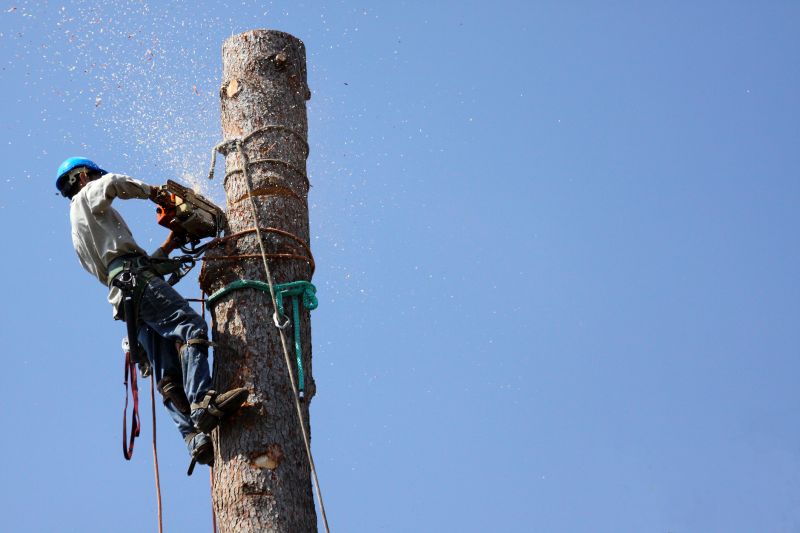 Tree removal is a task that often requires specialized equipment to ensure safety and efficiency. Whether managing hazardous branches, clearing space for construction, or removing dead or diseased trees, having the right tools is essential. Proper planning and understanding of the available products can make this process safer and more manageable. From manual hand tools to powered equipment, there is a range of options suited for different scales and complexities of tree removal projects.
Top Overall Option
Multi-Function Tree Removal Kit
A comprehensive tree removal kit that includes a variety of manual and powered tools designed for versatility and safety. Ideal for homeowners and professionals alike, it offers an array of saws, pruners, and safety gear to handle different tree removal tasks efficiently.
Types of Products For Tree Removals
Chainsaws
Powered saws suitable for cutting through large branches and trunks, available in gas, electric, and battery-powered options.
Pole Saws
Extendable saws that allow reach for trimming high branches without the need for ladders.
Pruning Saws
Manual saws designed for precise cuts on smaller branches and limbs.
Hand Pruners
Compact tools for trimming smaller branches and twigs with ease.
Stump Grinders
Machines used to grind down remaining tree stumps after removal.
Loppers
Heavy-duty pruners with long handles for reaching and cutting thicker branches.
Rope and Pulley Systems
Tools that assist in controlled tree felling and limb removal.
Safety Gear
Protective helmets, gloves, goggles, and ear protection essential for safe operation.
Tree Climbing Gear
Harnesses and ropes for safe climbing and positioning during tree work.
Debris Bags and Chutes
Equipment to collect and manage cut branches and debris efficiently.
Hydraulic Tree Shears
Heavy machinery attachments used for cutting and removing large branches or trees.
Aerial Lifts
Elevating platforms that provide safe access to high branches.
Manual Limb Chippers
Tools for breaking down branches into mulch or manageable pieces.
Carving and Sharpening Tools
Accessories for maintaining saw blades and pruning tools.
Tree Removal Accessories
Additional tools such as wedges, sledgehammers, and extension cords for various tasks.
Popular Choices
Portable and easy to maneuver, suitable for smaller to medium-sized trees.
Convenient for trimming high branches without ladders.
Versatile tools for detailed pruning and branch removal.
Ideal for trimming thicker branches with less effort.
Effective for removing remaining stumps after tree felling.
Essential safety gear for protecting against falling debris.
Secure harnesses for safe ascent and work at height.
Facilitate debris management during tree removal.
Powerful attachments for large-scale removal projects.
Provide stable access to high branches for precise work.
Reliable power sources for electric-powered equipment.
Assist in controlled felling and limb separation.
Complete sets that include gloves, helmets, and eye protection.
Compact chippers for on-site branch processing.
Convenient for quick trimming tasks with minimal effort.
Enhance safety when working at height on ladders.
Tools for controlled limb lowering and tree felling.
For smaller trees or branches, manual tools such as pruning saws and hand pruners may suffice. These tools are lightweight and easy to maneuver, making them suitable for DIY projects or light trimming tasks. However, for larger trees or more extensive removal efforts, powered equipment becomes necessary. Chainsaws, pole saws, and stump grinders are among the most commonly used machines in professional and serious DIY tree removal tasks. It is important to select equipment that matches the size and type of trees involved, as well as the terrain and workspace constraints.
Safety is a paramount concern when undertaking tree removal activities. Protective gear such as helmets, gloves, eye protection, and sturdy boots should always be used. Additionally, understanding the operation of each tool and following manufacturer instructions can prevent accidents. For those unfamiliar with tree removal procedures, consulting with professionals or thoroughly researching equipment options can provide valuable insights. Proper maintenance and regular inspection of tools ensure they remain in good working condition, reducing the risk of malfunction during use.
Selecting the appropriate products for tree removal depends on several factors, including the size of the trees, the location, and the user's experience level. Investing in quality tools can enhance safety and efficiency, but it is equally important to consider ease of use, storage, and maintenance requirements. Whether managing a few branches or undertaking a large-scale removal project, having the right equipment tailored to your needs can make the process smoother and safer.
Key Buying Considerations
- Tree size and type: Ensure the equipment is suitable for the specific trees you plan to work on.
- Power source: Decide between gas, electric, or battery-powered tools based on convenience and availability.
- Safety features: Look for safety guards, automatic shutoff, and protective gear compatibility.
- Ease of use: Choose tools that match your experience level and ergonomic preferences.
- Durability and build quality: Invest in well-constructed tools to ensure longevity and reliable performance.
- Maintenance requirements: Consider how easy it is to clean, sharpen, or repair the equipment.
- Workspace constraints: Ensure the equipment fits within your working environment, especially in tight or elevated spaces.
- Budget: Balance cost with quality to find the best value for your needs.
- Accessory compatibility: Check if the tools can be expanded with additional attachments or accessories.
- Storage options: Consider how the equipment will be stored when not in use.
- Noise levels: Be aware of the noise produced, especially if working in residential areas.
- Weight and portability: Select tools that you can handle comfortably, especially for extended use.
- Availability of replacement parts: Ensure parts are accessible for repairs and maintenance.
- User reviews and ratings: Research feedback from other users for insights into performance and reliability.
- Local regulations: Verify any restrictions or requirements specific to tree removal in your area.
This page contains affiliate links. We may earn a commission if you make a purchase through these links, at no additional cost to you.