Optimal Timing for Tree Removals
Determining the optimal time for tree removals depends on various factors including tree species, local climate, and specific circumstances. Proper timing can help minimize risks, reduce damage to surrounding vegetation, and ensure safety during the process.
Spring can be suitable for tree removal when trees are still dormant or just beginning to leaf out, reducing stress on nearby plants.
Summer is generally less ideal due to active growth, but certain situations may require removal during this period, especially if safety concerns are urgent.
Fall often offers favorable conditions for tree removal, with trees entering dormancy and less sap flow, which can reduce the risk of disease spread.
Winter is typically considered the best time for tree removal as trees are fully dormant, making the process safer and less disruptive.
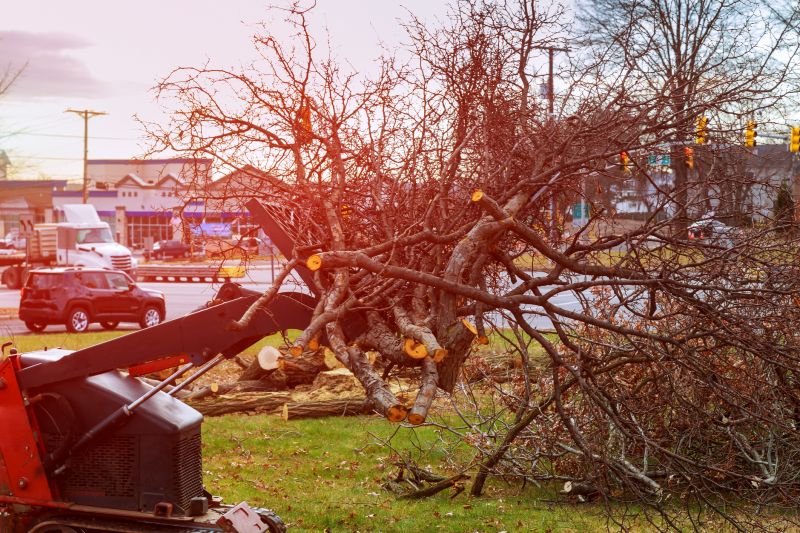
Heavy machinery operates more efficiently on frozen ground, facilitating safer and more precise removals.
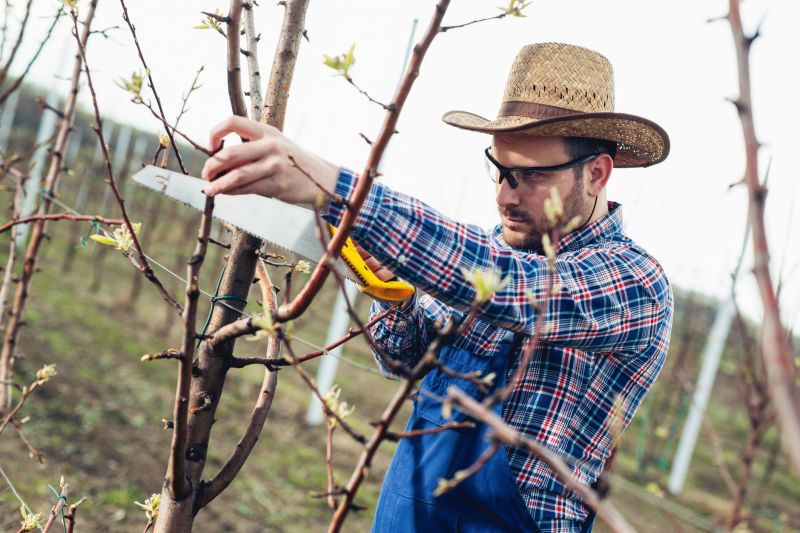
Spring pruning and removal can be done before trees fully leaf out, reducing the risk of disease transmission.
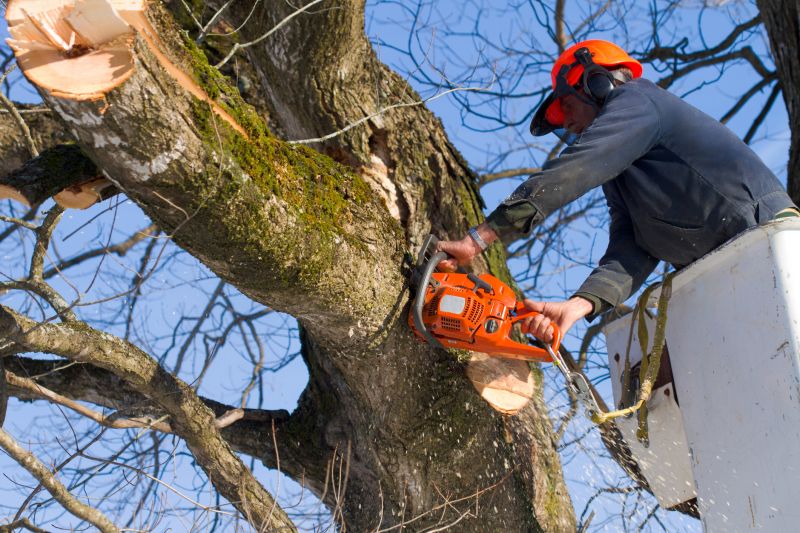
Summer removals are often limited to urgent cases due to active growth and higher risk of stress to remaining trees.
Ways to make Tree Removals work in tight or awkward layouts.
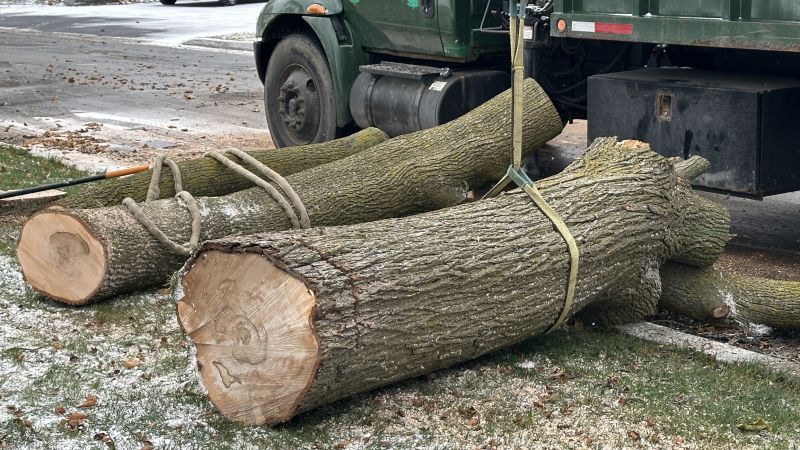
Popular materials for Tree Removals and why they hold up over time.
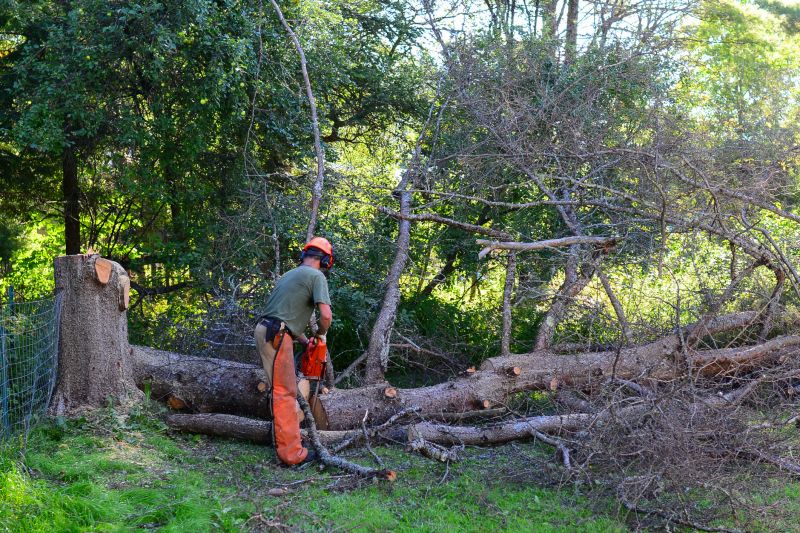
Simple add-ons that improve Tree Removals without blowing the budget.
| Season | Optimal Conditions |
|---|---|
| Winter | Trees are dormant; soil is frozen, providing stable ground. |
| Fall | Trees enter dormancy; less sap flow reduces disease risk. |
| Spring | Pre-leaf-out period minimizes damage; caution needed for active growth. |
| Summer | Active growth period; best avoided unless urgent. |
Tree removals are a significant aspect of landscape management, often necessary for safety, health, or aesthetic reasons. Proper timing ensures minimal disruption and reduces potential hazards. Statistically, winter removals tend to be safer and more efficient due to dormant trees and frozen ground, which supports equipment stability and reduces soil impact.
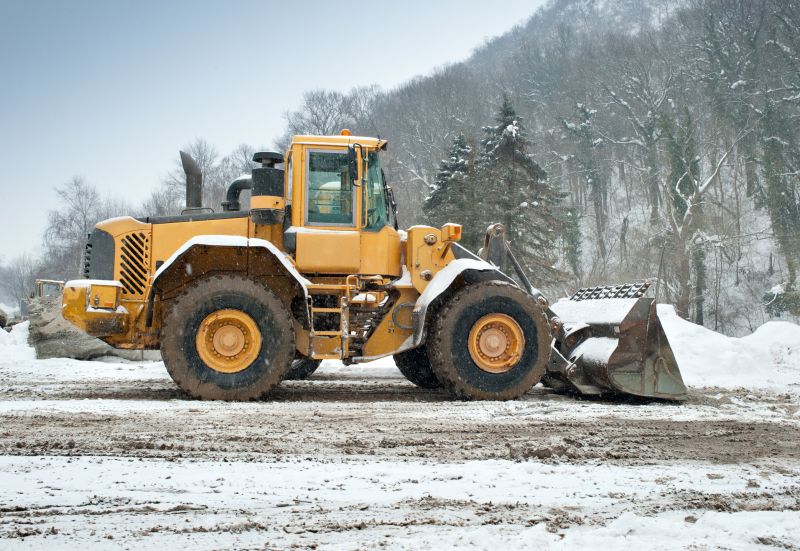
Frozen ground allows for easier access and safer operation of heavy equipment.
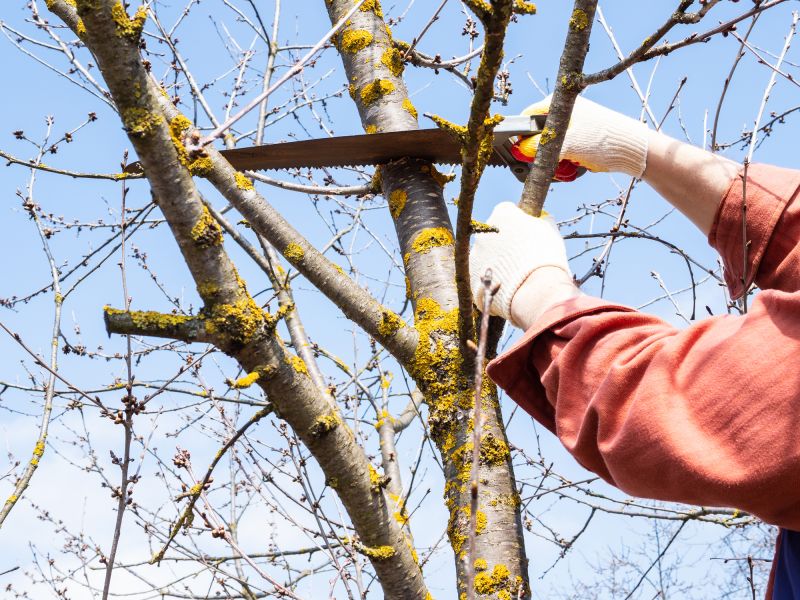
Timing before leaf-out helps prevent disease spread and minimizes stress.
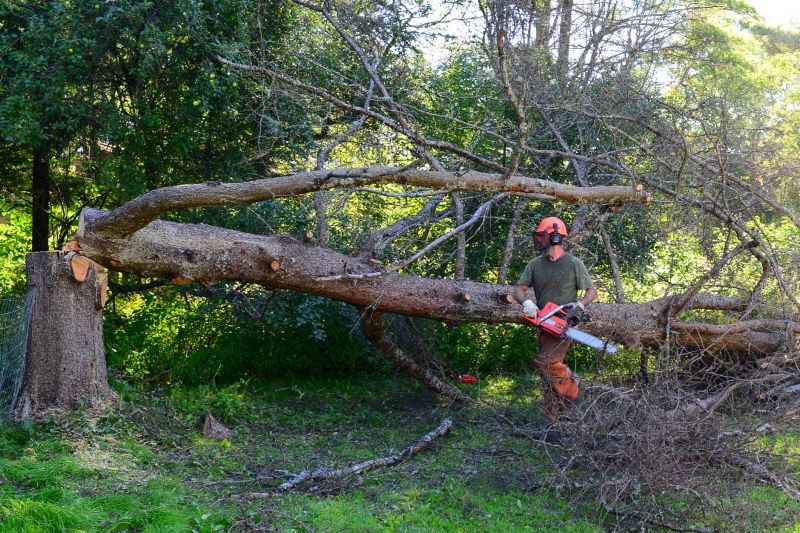
Reduced sap flow and leaf cover aid in safer removal processes.
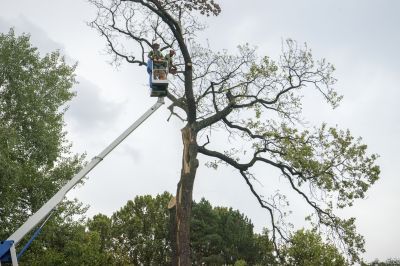
Active growth and higher temperatures increase risk and difficulty.
Interested in scheduling a tree removal? Filling out the contact form can provide more details and help plan the best time for specific needs. Proper timing can contribute to safer, more efficient removals and healthier landscapes.